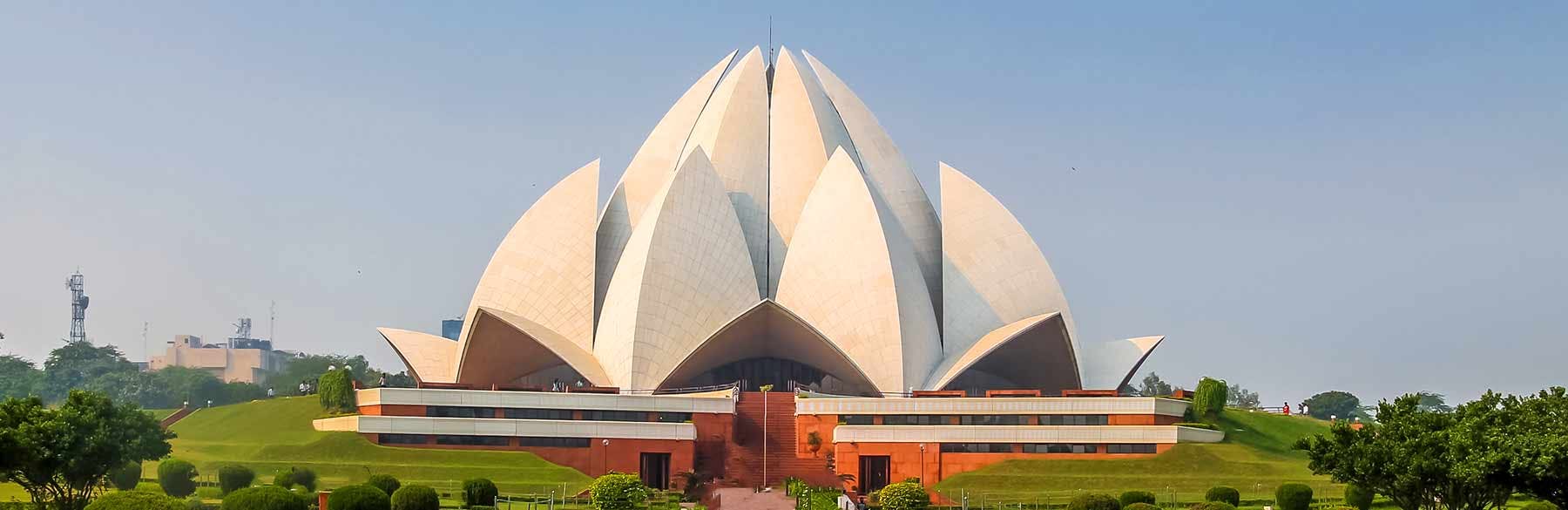
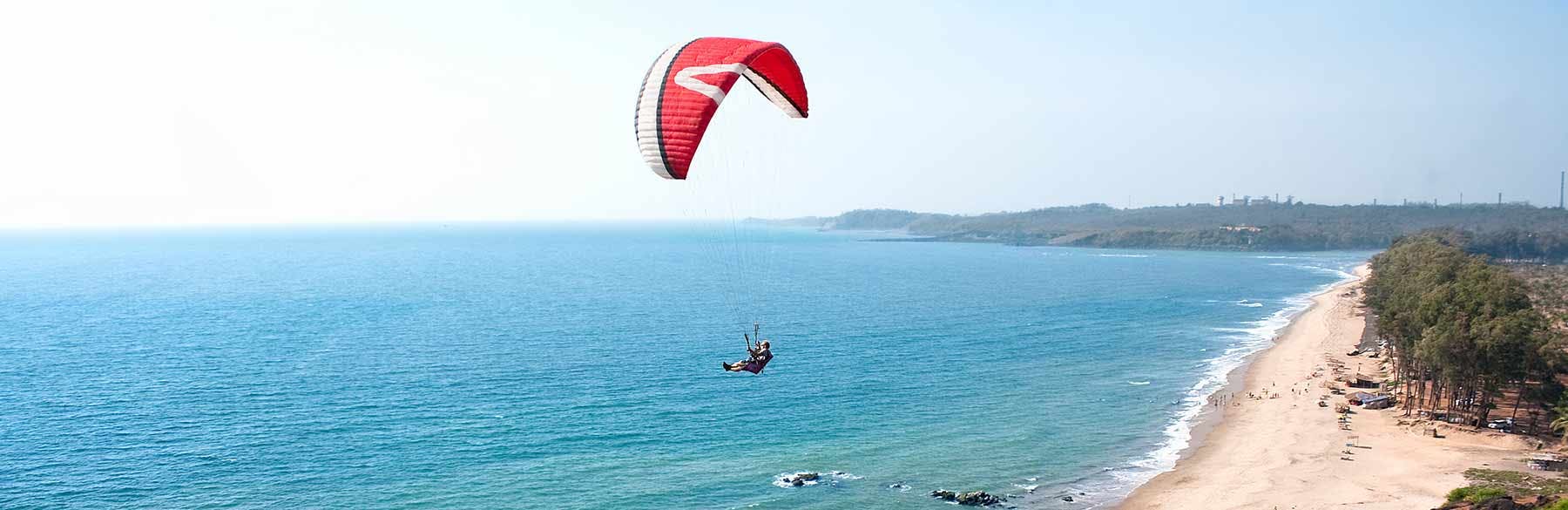
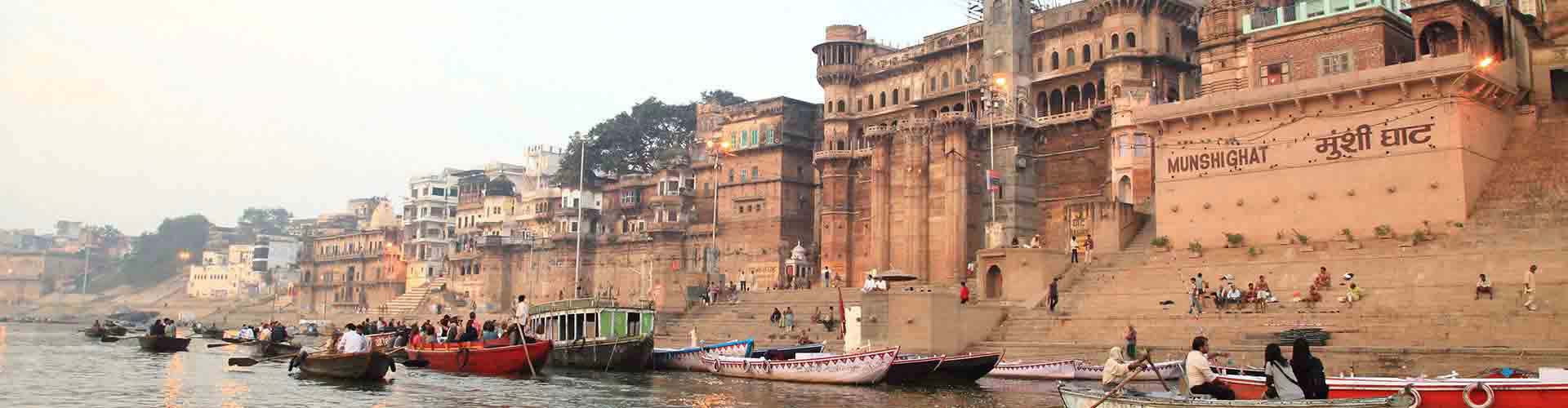
India hits the senses in every way. From the ochre deserts of Rajasthan to the misty green hills of Kerala, the landscapes shift dramatically as you travel. Streets hum with motorbikes, bicycles, and the occasional cow, while markets overflow with spices, fresh flowers, and handwoven fabrics in vivid colors. Temples chime with bells, and the aroma of street food—tangy chaat, smoky kebabs, or sweet jalebis—fills the air. Locals move through life with a mix of energy and patience, greeting visitors with curiosity and warmth that makes the country feel alive at every turn.
When planning to travel to India, the currency is the Indian Rupee (INR), and cash is often needed for smaller purchases, though cards work in larger cities. Temperatures vary widely: summers (March to June) can climb above 40°C in the north, while winters (November to February) are cooler, especially in hill stations and the north. Monsoon season (June to September) brings heavy rain to western and southern regions. A key travel tip is to respect local customs—remove shoes when entering temples and dress modestly, especially in rural areas. Paying attention to these details helps you enjoy India safely and smoothly while engaging fully with its local culture.